
About
Trust Within Therapy
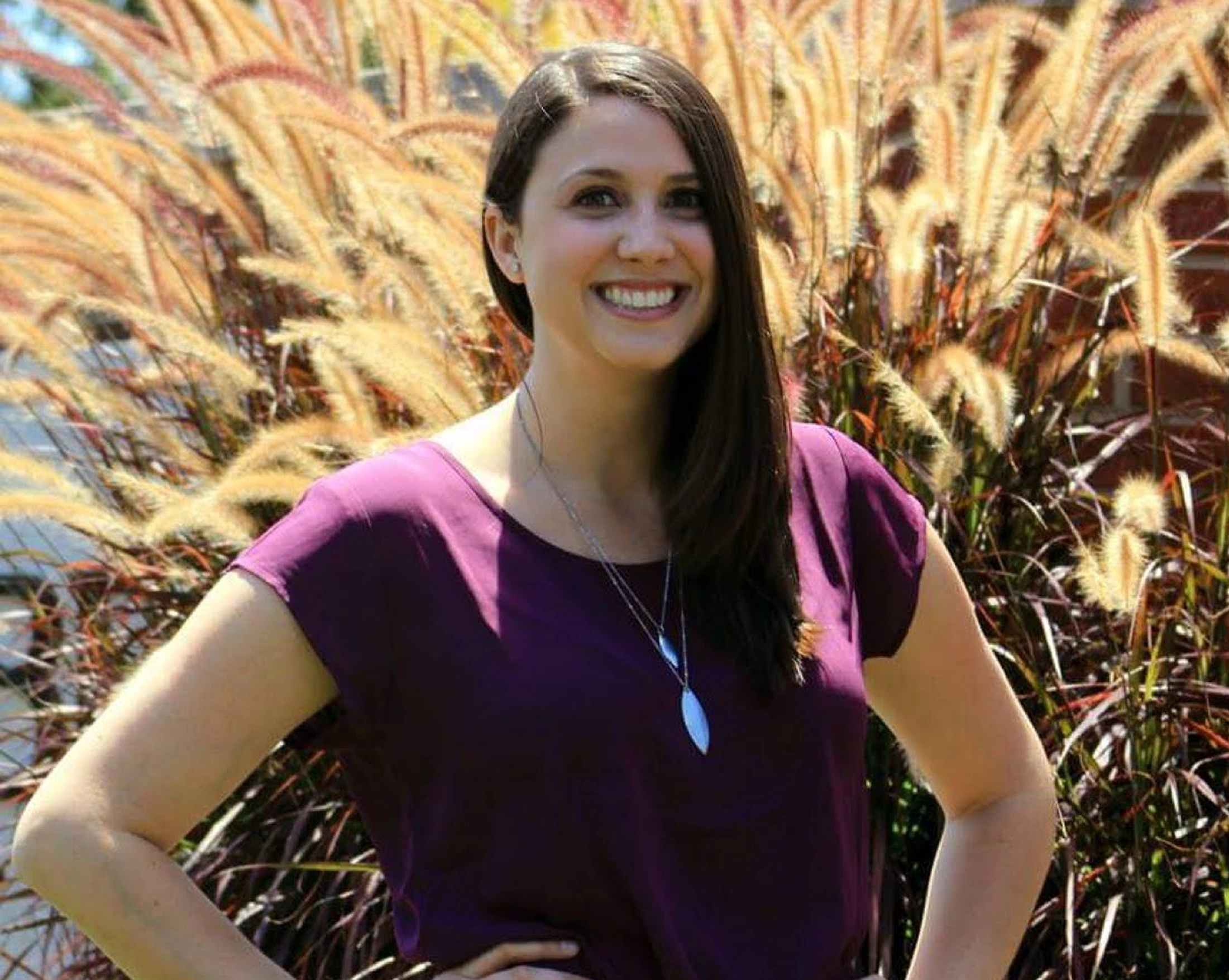

About me
Hi, I’m Kelly
Thanks for taking a moment to get to know me.
Reaching out for therapy can feel scary, especially if you’re used to keeping a lot inside or if past experiences have made it hard to trust people.
I’m here to offer a space where you don’t have to apologize for being overwhelmed. Therapy with me isn’t formal or stiff. It’s just two humans talking and helping you figure out life.
My Approach
I’m not the kind of therapist who sits silently in the corner.
I show up with curiosity and realness. The last thing I want to hear is someone telling me they felt like our therapy sessions were just venting, and they got zero help.
Here’s what it feels like to work with me:
You can take your time.
There’s no pressure to open up fast or have everything figured out. We’ll go slowly and build trust over time.
Your feelings are safe.
Whether your emotions come in waves, disappear suddenly, feel confusing, or become non-existent, we’ll explore them together without judgment.
You get to be unfiltered and not have to wear a mask
Many people tell me they feel like they have to clean up their language or change their story in therapy. You don’t have to do that here!
How I work
My Four Pillars of Therapy
These are the foundations I come back to again and again with clients. It’s the lens that helps us understand what’s happening and how to move toward healing.

01
Day-to-Day Functioning
How are you actually functioning in life? This includes things like sleep, overwhelm, relationships, boundaries, coping patterns, and how you tolerate difficult moments. Understanding these patterns helps us see what may be getting in the way and where meaningful change can begin.
02
Cognitive Understanding
Using approaches like Cognitive Processing Therapy (CPT), we explore how your mind has made sense of the experiences you’ve been through. Our brains naturally try to organize painful or traumatic events in ways that help us survive, but sometimes those interpretations can continue shaping how we see ourselves, others, and the world long after the event is over.
Together, we work to understand those beliefs and gently challenge the patterns that may be keeping you stuck.

03
Emotional Processing
Healing isn’t just about understanding something logically. It’s also about learning how to experience and process emotions safely.
We slow down enough to notice your emotions so we can understand what they are signaling or protecting. Over time, we work toward respecting your emotions, meeting their needs, and managing them with compassion.
Often, more than one emotion can exist at the same time. Part of the work is learning how different emotional “parts” of us can coexist. Together, we explore why those parts developed, where they may come from, and how they’ve been trying to help or protect you. From there, we can decide how you want those parts to show up in your life moving forward.
Together, these pillars give us a holistic picture of your inner world.


Who I work with:
I especially connect with anyone who:
- Feels overwhelmed by their emotions and/or feel out of touch with their emotions
- Has a hard time trusting themselves
- Struggles with cycles they desperately want to break
- Carries trauma that still affects their life
- Deals with chronic self-harm urges or suicidal thoughts
- Struggles to navigate any kind of relationship, whether family, romantic, or otherwise
If you see yourself in any of that, you’re exactly who I created Trust Within Therapy for.
How I Support Clients:
I blend practical tools with exploration so you can understand yourself better and feel more grounded. My work is influenced by:
DBT skills for navigating challenging emotions
CPT for PTSD and Trauma-treatment
IFS-informed approaches for understanding inner parts and feelings
A relational, human-first style that centers trust and safety
I don’t force certain techniques or assign overwhelming homework. We use what actually helps you feel steadier in real life.


What I believe about healing
Healing isn’t about becoming a different person. It’s about learning to trust the version of you that’s been trying so hard to survive.
I believe:
- You are a human being who’s allowed to be human!
- Your story matters.
- There’s always a reason your emotions show up the way they do.
- You deserve a place where you can be fully honest and open.
- Over time, your body and mind can learn to feel safe again.
I didn’t grow up planning to become a therapist. I always knew I wanted to work with people in some capacity, and I’ve always loved science.
For a time, I followed that path and worked as an analytical chemist after earning my bachelor’s degree in chemistry. But during that season of my life, I also experienced therapy as a client, and the progress and support I found there changed the direction of my life.
Seeing firsthand how powerful the therapeutic process could be inspired me to pursue graduate school. I initially planned to become a school counselor, hoping to support teens navigating difficult home environments and help them use education as a path forward. As I continued through graduate training, however, I became increasingly drawn to mental health counseling and trauma work.
During my internships, I realized that helping people heal often means walking with them through some of the hardest moments of their lives. I began learning Dialectical Behavior Therapy (DBT) to better support people who were struggling to cope safely day to day. My final internships were completed at a practice that specialized in DBT, where I trained with a DBT team and deepened my understanding of how to help people build skills for emotional regulation, distress tolerance, and meaningful change.
After becoming licensed, I continued my training and received intensive DBT training while also expanding my work with trauma and PTSD. I later completed intensive training in Cognitive Processing Therapy (CPT), which is a first-line treatment for PTSD. I am also IFS-Informed (Internal Family Systems) and incorporate elements of that approach in my work, especially when it comes to processing trauma and understanding different emotional parts of ourselves. I value approaches that allow people ot not only understand their emotions, but to actually experience and process them in a safe and supported way, often incorporating somatic awareness as part of the healing process.
At the heart of my work is the belief that therapy should be collaborative, respectful, and grounded in trust. I see therapy as a space where people can learn practical skills, process difficult experiences, and build a life that feels more stable, meaningful, and aligned with who they are.

A bit about me as a Human
Outside of therapy, I love dogs, cooking, suspense and thriller books, gardening, and any TV show that’s worth binge-watching. The beach is my favorite place to be, and sushi and tacos are always high on my list of favorite foods.
I enjoy yoga and riding my bike when I can get outside. I’m also a mom and have experience with blended families, which has taught me a lot about patience, flexibility, and the reality that life rarely goes exactly as planned.
One thing that matters to me as a therapist is that I’ve been on the other side of the therapy room, too. I know what it’s like to sit in the client chair and do the work of healing. That experience shapes how I approach therapy, with humility, respect, and a deep appreciation for how hard this process can be.

Ready to get started?
Whether you’re exploring therapy or already know you want support, you’re welcome to reach out.